
#36 - HIPOT - DC Breakdown Voltage
🔌 DC Breakdown Voltage – Measurement of the Breakdown Voltage of Protection Devices
Breakdown voltage measurement is applied to components that are required to activate above a defined voltage level. A typical example is the varistor, especially in inverter-based applications.
How does the measurement work?
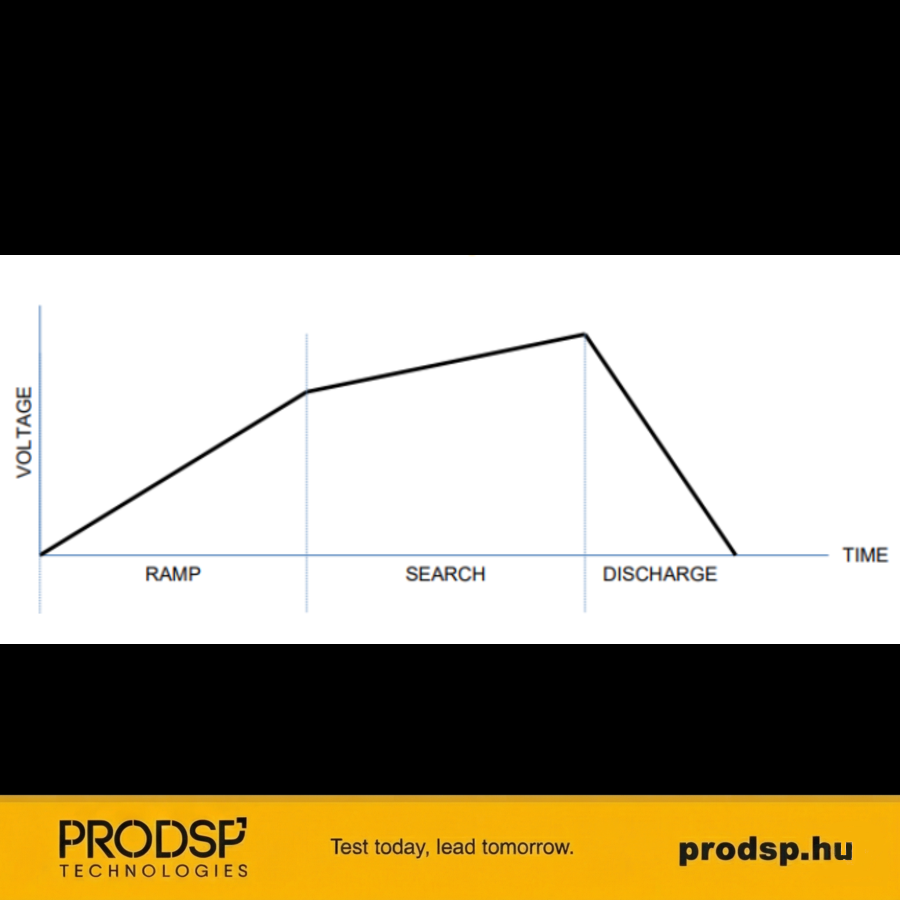
👉 First, during a ramp phase, the upper limit of the operating voltage range is reached while controlling the effects of parasitic capacitances.
👉 This is followed by the search phase, where the voltage is increased more slowly and the current is monitored.
👉 When the current suddenly increases, the measuring instrument immediately switches to discharge and reports the voltage value at which breakdown started.
❗If no current increase occurs within the search range, the measurement is considered invalid, as the protection device did not activate.
🔹 Measurement accuracy is determined by the slope of the search ramp:
– Slower search → more accurate breakdown voltage
– Too fast a search → parasitic effects may distort the result
Download 36_HIPOTDCBreakdownVoltage.pdf